The entry point traced, not the stain patched. On houses this age the leak is almost never where the mark is.
Under the shingles there is decking, underlayment, flashing at every junction, and ventilation that decides whether the whole thing stays dry from below. A covering laid over a softened deck fails early however good the shingles are.
They share a trade and very little else. Which one it is decides the program and the price.
Tracing the entry point rather than patching the stain.
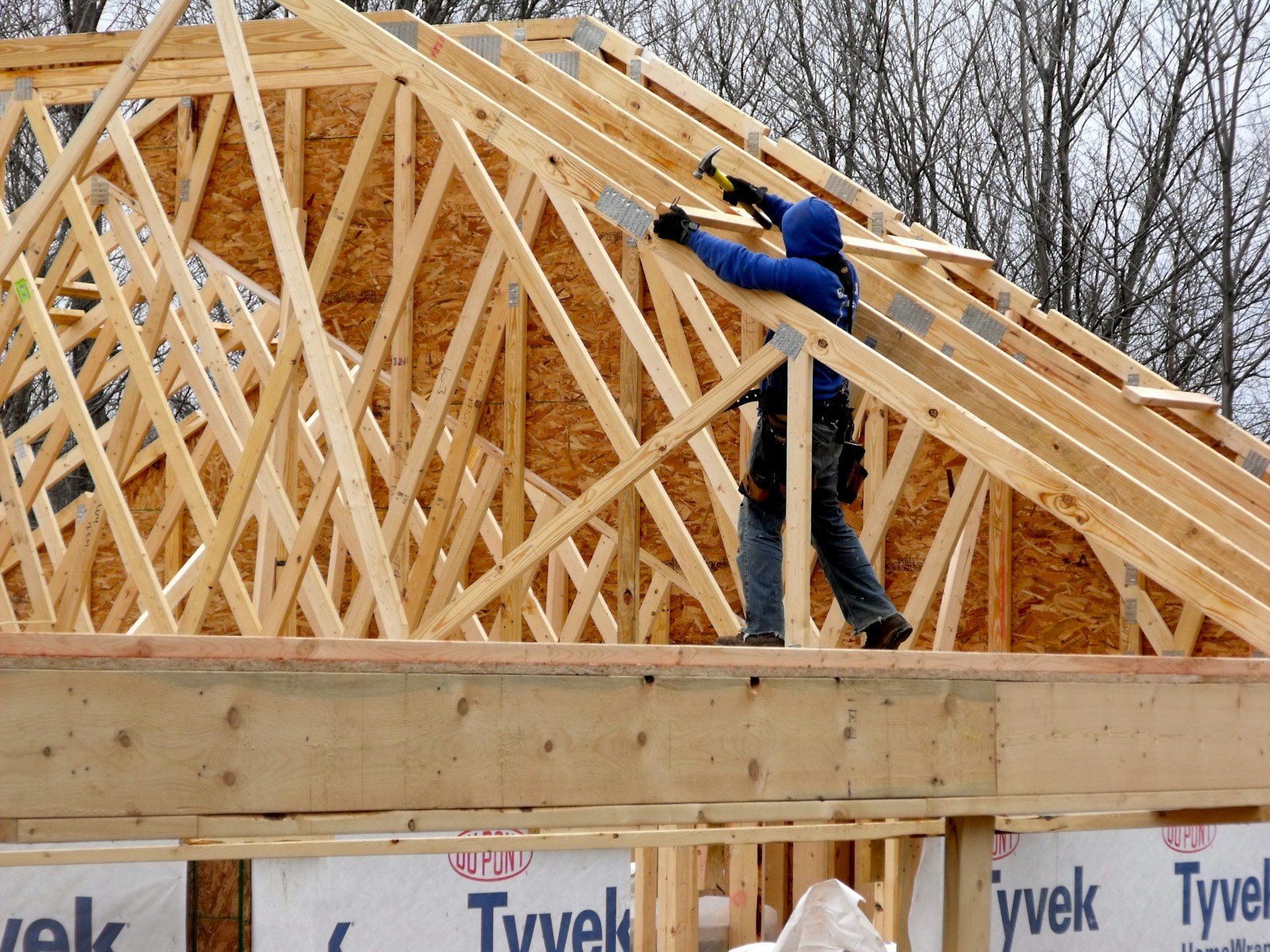
Tear-off, deck inspection, and a system specified for the pitch.
Low-slope work on rear extensions, porches and dormers.
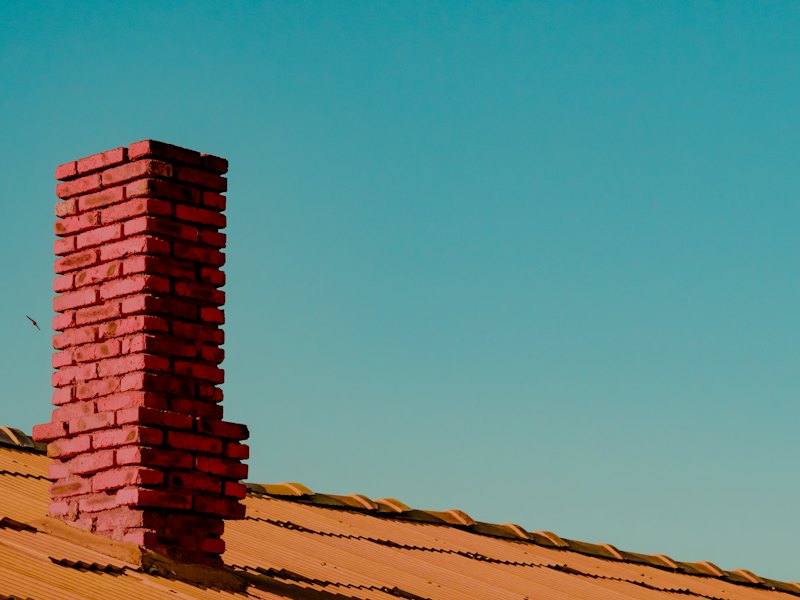
Step and counter-flashing rebuilt into the mortar course.
Documented assessment after a nor'easter or a tropical remnant.
Streets were first graded in the 1920s and early 1930s. 7,667 housing units, 67.4% of them detached single-family, in Tudor, Colonial and Cape Cod styles.
Detached houses of this era carry steep pitches, dormers and chimney stacks, and most have had a flat or low-slope rear extension added at some point. The junction between the original pitched roof and that later flat section is where this stock leaks first.
The Cambria Heights-222nd Street Historic District runs along 222nd Street between 115th Road and 116th Avenue: forty-six Storybook-style houses completed in 1931.
See how a job runsThe same sequence on a small repair and a full replacement.
Describe what you are seeing. Most jobs are diagnosed from a short conversation and a photograph, before anyone travels.
A full walk of the roof and the attic space together, with every slope photographed before anything is moved.
A written quote against a written scope that names the detail that failed, so nothing is added later without your say-so.
The area is left clean, nails swept, and you get the before-and-after set for your records.
Worth knowing whoever you use. Three of these four you can check before a contractor sets foot on the roof.
New York City requires a DCWP Home Improvement Contractor license for residential roofing. Ask for the number and check it on the DCWP register before work starts.
A like-for-like re-roof on a one- or two-family house generally does not need a DOB permit. Changing the structure, the pitch or the decking layout generally does.
Above a low threshold the work must be under a written contract setting out scope, price and payment schedule. That is the law, not a courtesy.
A New York contractor with employees must carry workers' comp, and on a roof it matters. Ask for the certificate rather than a verbal assurance.
Four things take roofs apart in southeast Queens, and only one of them is the storm you remember.
Winter storms drive rain sideways and uphill, under laps that shed ordinary rain perfectly well. It is why a roof can be sound for years and then leak once.
Water in a crack expands when it freezes and opens the crack further. A hairline fault in October is a real one by March.
Escaping heat melts snow, the meltwater refreezes at the cold eave, and the ice pushes water back under the shingles. The cause is usually insulation and ventilation, not the covering.
Late-summer systems drop more rain in an hour than the gutters were sized for. Undersized runs overflow at the valleys and the water goes behind the fascia.
Cambria Heights and the neighborhoods around it, plus Elmont across the Nassau line.
Detached Colonials, Tudors and Capes alongside brick two-family houses, on lots with driveways and porches.
Dutch Colonial and Tudor houses, many still well kept.
Three- to five-bedroom homes with an unusually high share of row and attached houses -- higher than almost any neighborhood in the country.
A mix of detached and attached single-family homes and townhouses.
Predominantly low-rise residential, like the rest of Community Board 13.
Older Cape Cods and ranch-style houses alongside newer traditional builds.
One- and two-family houses on their own lots, in every style the period produced.
General guidance about how these houses are repaired, not a survey of any particular property.
Active leaks are treated as same-day where daylight and weather allow. Everything else is normally within the week.
Water runs along battens and rafters before it shows. The entry point is usually uphill of the stain and often several feet away, which is why a survey covers the attic as well as the roof.
Diagnosis yes, most permanent repairs no. A temporary cover goes on first and the permanent fix follows.
Yes, and it is written down. Nothing is charged before the scope is agreed.
Cambria Heights itself, plus St. Albans, Queens Village, Laurelton, Springfield Gardens, Rosedale and Elmont across the Nassau line.
Tell us what you are seeing and roughly when it started.